

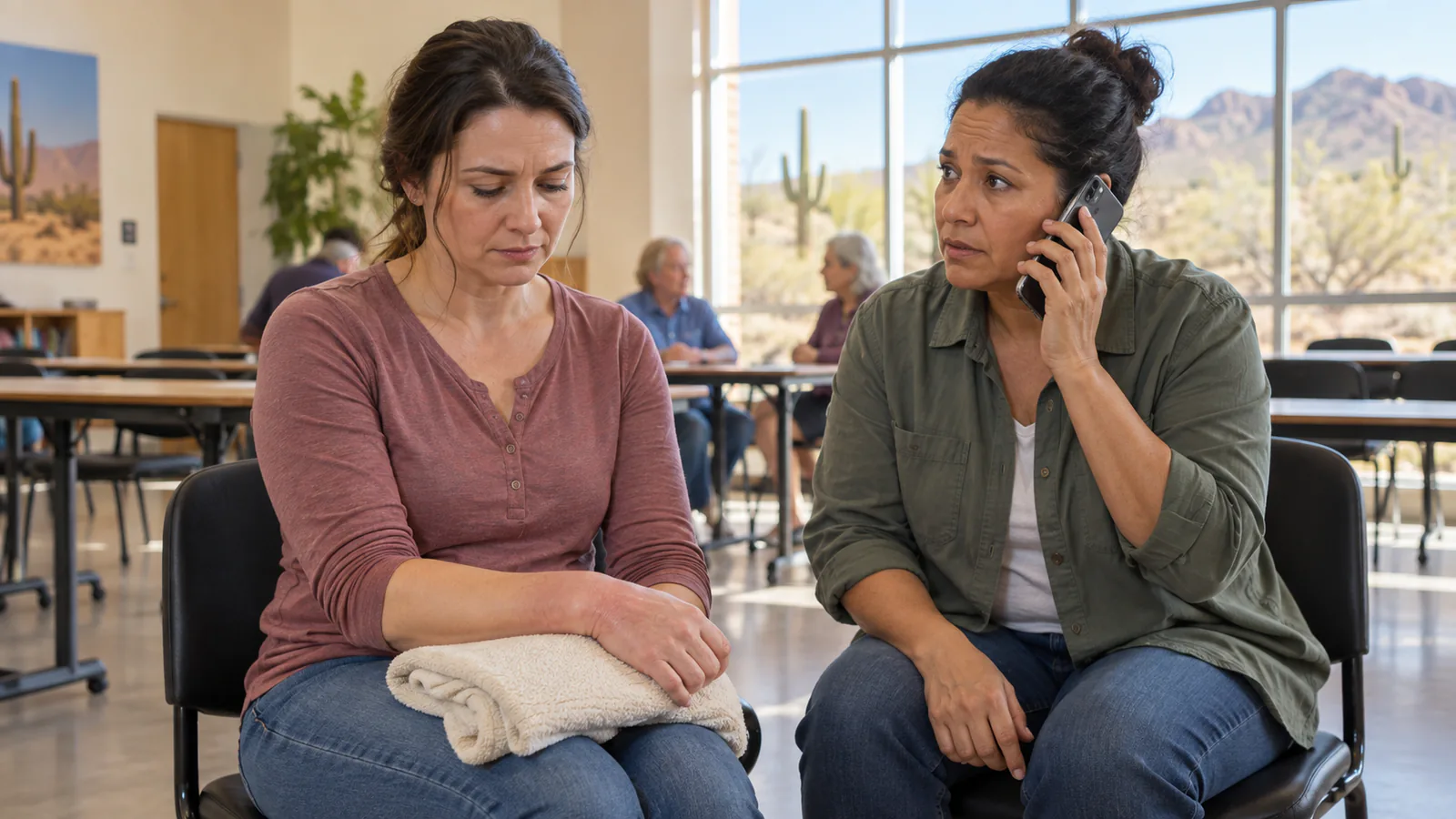
For a possible broken bone, keep the injured part still and don’t try to straighten it. Put ice over a towel on the injury, and if you need to move the person, splint it first with something rigid and padded. Call 911 if a bone is through the skin or the bleeding is heavy.
Falls from playground equipment, trips on church steps, and slips in a school hallway are common ways people get hurt. You don’t need to know whether it’s broken to help. You only need to keep it still and get the right care.
A sprain is not the same as a fracture
A fracture is a broken bone. A sprain is a stretched or torn ligament.
The problem is that they can look the same. Both can cause pain, swelling, and bruising, and only an x-ray can tell them apart. That’s why first aid for both is the same: if you aren’t sure, treat it as a break.
What should you do first for a possible broken bone?
- Check the scene and put on gloves.
- Keep the injured part still. Don’t try to straighten it.
- Control any bleeding.
- Cover the injury with a towel and put ice on top.
- Decide whether to call 911 or splint it yourself.
When should you call 911 for a broken bone?
Call 911 if a bone is sticking through the skin or there is heavy bleeding. Keep the injured part still until EMS arrives.
Also call 911 if the person can’t move a body part, or if you suspect an injury to the head, neck, or spine, such as after a hard fall with neck or back pain, numbness, or tingling. In that case, keep them still and see our guide to head, neck, and spine injuries.
When in doubt, call 911.
How do you splint a broken bone?
For a less severe injury, you can splint it yourself. Splint before you move the person, and never try to straighten the injured part.
- Use something rigid. A board, a rolled magazine, or the splint from your first aid kit all work.
- Make it long enough. The splint should be longer than the injury and hold the joints above and below it still. For a forearm, that means past the wrist and past the elbow.
- Pad it. Put padding on any hard surfaces that touch the body.
- Control bleeding first, then secure the splint with tape or gauze. Snug, not tight.
- Check below the splint. If the area gets numb, cold, or changes color, loosen it.
No splint material at all? Splint the injured part to the body. For example, secure an injured arm against the chest.
Keep the limb still until a health care professional has seen it.
What if it’s a broken leg?
The same rules apply: keep it still, don’t straighten it, and don’t have the person stand or walk on it. If the person can’t move the leg, or you can’t move them without moving the injured part, call 911 and let EMS move them.
With older adults, a fall that hurts the upper leg or groin may be a broken hip. Signs include not being able to get up or put weight on the leg, severe hip or groin pain, or a leg on the injured side that looks shorter or turned outward. Keep them still and comfortable, don’t try to stand them up, and call 911. Our article on falls first aid covers broken hips and what to check after an older adult falls.
Should you put ice on a broken bone or sprain?
Yes. Cover the injury with a towel first, then put ice on top. Don’t put ice directly on the skin.
What about children?
Young children may not be able to tell you what hurts, so ask gently and watch how they move. Keep them calm and still, support the injured part, and follow your daycare or school policy for injuries and notifying families.
If the child is in severe pain, can’t move the part, or you see any of the 911 signs above, call 911 first, then the parent or guardian.
This article is general education. It does not replace hands-on CPR and first aid training, where you practice these skills with an instructor.
How LP Health Directions can help
In our first aid classes, you practice splinting with real materials so it feels natural when a child or coworker gets hurt.
- CPR and First Aid classes at our Phoenix and Tucson Training Sites.
- On-site Group Training for daycares, schools, churches, and workplaces.
- First Aid Solutions, including stocked first aid kits with splints and cold packs.
- Related reading: how to stop severe bleeding and signs of shock.
- Book a class or contact us to schedule training.
Sources
- Mayo Clinic, Fractures (broken bones): First aid
- Mayo Clinic, Hip fracture: Symptoms and causes
- Cedars-Sinai, Hip Fracture
- American Heart Association, 2025 Guidelines for CPR and ECC
Reviewed September 28, 2026. This article provides general education and does not replace first aid and CPR training, medical advice, or 911 guidance.